

Smart Monitoring Begins with RFID Asset Tracking System
Why choose Aastro Tech for RFID-enabled asset tracking System?
What does an RFID Asset Tracking System deliver?
Reliable identification across the facility
RFID Readers identify RFID Tags attached to assets within seconds, helping teams locate items without delays or manual searches. The system creates a continuous flow of accurate information for daily operations.
Consistent tracking for all asset types
RFID Tags help track IT hardware, tools, machinery, and furniture. Each asset receives a unique identity that supports updated logs and well-organized lifecycle data.
Shorter and more accurate audit cycles
Reduces the time needed for audits by capturing asset details rapidly. The scanning process helps minimize errors and provides dependable audit reports.
How does the journey of adopting an RFID Asset Tracking System begin?
The process typically starts when an organization need to exercise greater control over its assets. Accumulating inventories, lack of organized spreadsheets, and lengthy verification processes often seek a solution to the challenges through RFID Asset Tracking System.
The more that teams choose to research, the more focus is given to the following areas: the process behind RFID Readers, the mechanism by which RFID Tags interact with materials, and the process through which the system facilitates daily operations without interruptions.
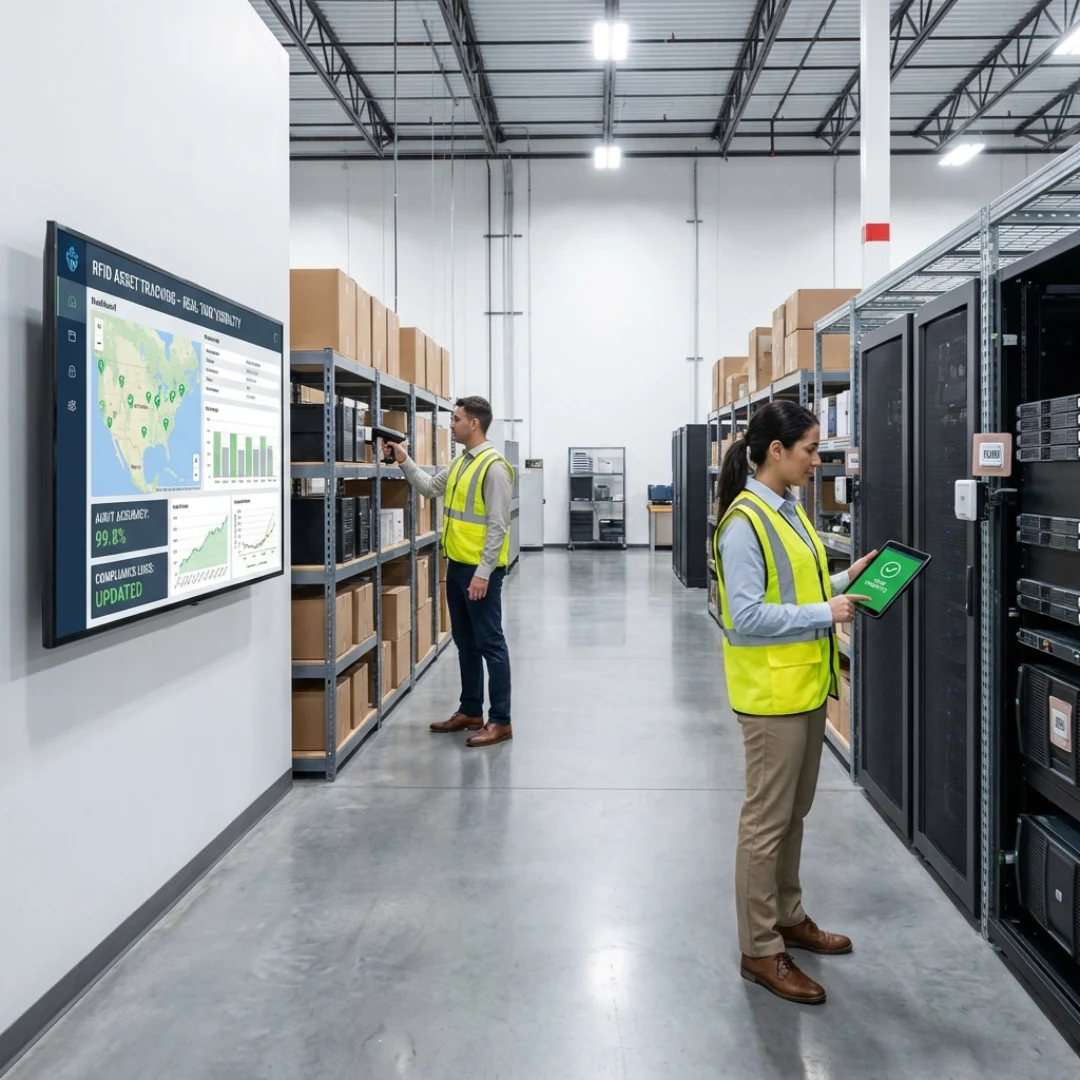
Why do organizations choose an RFID Asset Tracking System for daily operations?
Real-time location updates
Teams gain access to refreshed data about asset positions, which helps them respond quickly during audits, maintenance checks, or daily operations where asset movement occurs frequently.
Improved audit accuracy
RFID Readers scan assets with precision, reducing the chance of missed items or inaccurate logs. This improves audit reliability and supports compliance reviews.
Consistent compliance support
It maintains organized digital logs that simplify both internal and external assessments. Teams can produce reports quickly without reconstructing manual records.
Reduced manual workload
Scanning with RFID Readers replaces handwritten logs and eliminates repetitive tasks. This shift saves time for operations teams and strengthens everyday workflow efficiency.
How does Aastro Tech structure an RFID Asset Tracking System for real operations?
Mapping asset movement patterns
Each asset category is analyzed to understand how it moves within the facility. This ensures that the RFID Asset Tracking System aligns with real activity rather than theoretical assumptions.
Clear roles for teams and users
Admins, operators, and auditors receive specific access levels to maintain security. This approach reduces confusion and supports a reliable user experience.
Configuration that aligns with policies
Tracking rules are configured based on internal requirements. Data fields, movement rules, and asset categories reflect organizational standards and help improve long-term consistency.
Deployment checks before rollout
It is tested across different environments to ensure smooth operation. This prevents disruptions during adoption and builds confidence for end-users.

How does the RFID Asset Tracking System handle asset tagging and registration?
Selecting appropriate RFID Tags
RFID Tags are chosen based on asset material, usage conditions, and handling frequency. This ensures that each tag performs reliably during daily operations.
Creating complete asset records
The RFID Asset Tracking System stores essential details such as category, department, condition, and lifecycle status. These records remain updated as assets move across the facility.
Organizing assets into structured groups
Grouping assets by category or department helps teams locate items quickly. It also supports easy reporting and analysis during audits.
Providing early visibility to operational teams
Teams gain access to asset records before the system goes live, helping them understand how the RFID Asset Tracking System supports their responsibilities.
How do RFID Readers support fast and accurate asset scanning?
Portable scanning for flexible movement
Handheld RFID Readers help teams move across storage areas, server rooms, and warehouses while capturing tag data quickly. This reduces delays during checks and audits.
Fixed scanning points for automated capture
Certain environments require fixed RFID Readers at entry and exit points. These readers track when assets pass through monitored zones and update logs immediately.
Efficient multi-tag scanning
RFID Readers detect several RFID Tags at once, making them suitable for environments with high asset density. This reduces scanning time while maintaining accuracy.
Reliable performance in different environments
Readers function effectively in various conditions, supporting consistent tracking across offices, data centers, and industrial areas.
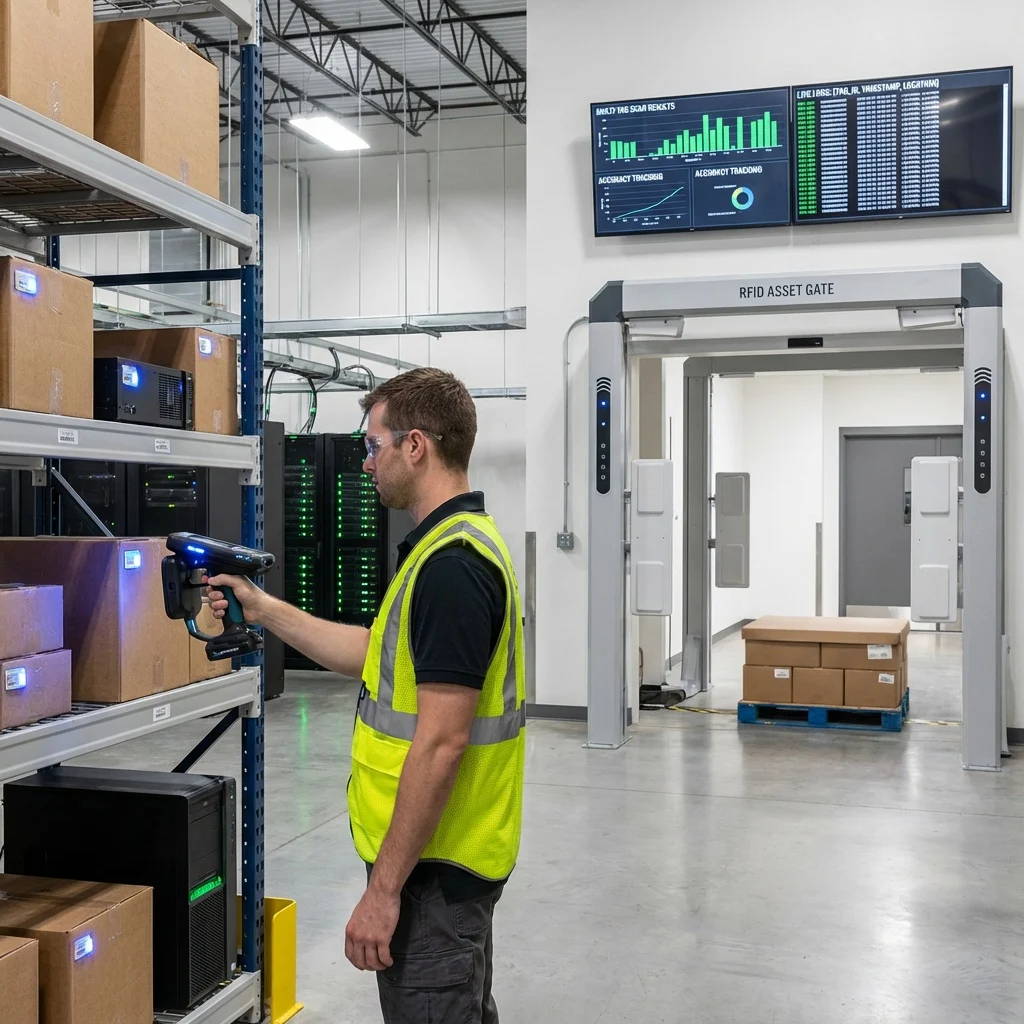
How does the RFID Asset Tracking System support accurate audits?
Faster audit completion
Reliable audit data
Easy variance detection
Improved accountability
How does the system strengthen operational security and control?
Controlled access for different users
Only authorized individuals can update or edit records. This strengthens data integrity and protects sensitive information.
Continuous movement visibility
RFID Readers capture asset movement as it happens. This helps organizations respond quickly to discrepancies or unexpected changes.
Organized compliance support
All asset data remains arranged for quick retrieval during internal reviews or external audits. This improves transparency and operational readiness.
Centralized monitoring from one dashboard
Admins can observe asset behavior and usage trends across all locations. This helps them plan maintenance cycles and replacements effectively.
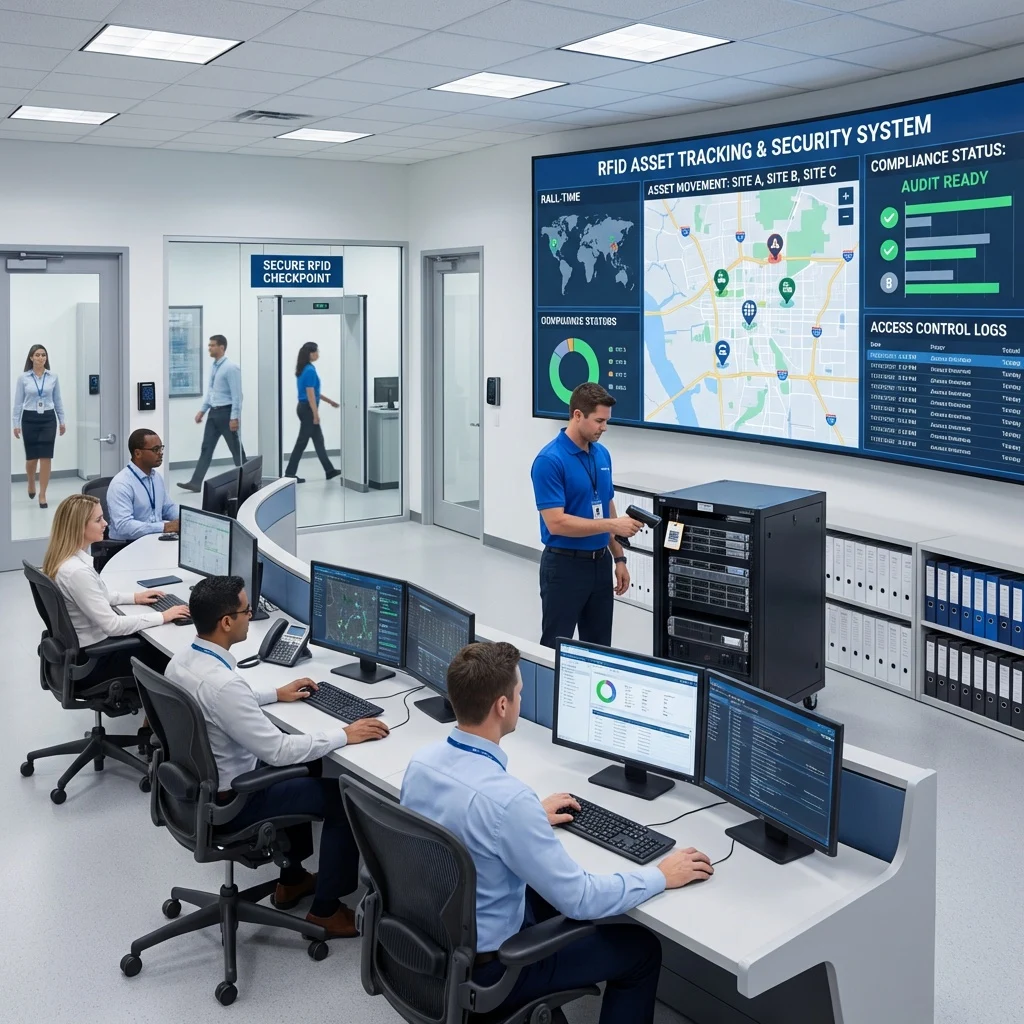
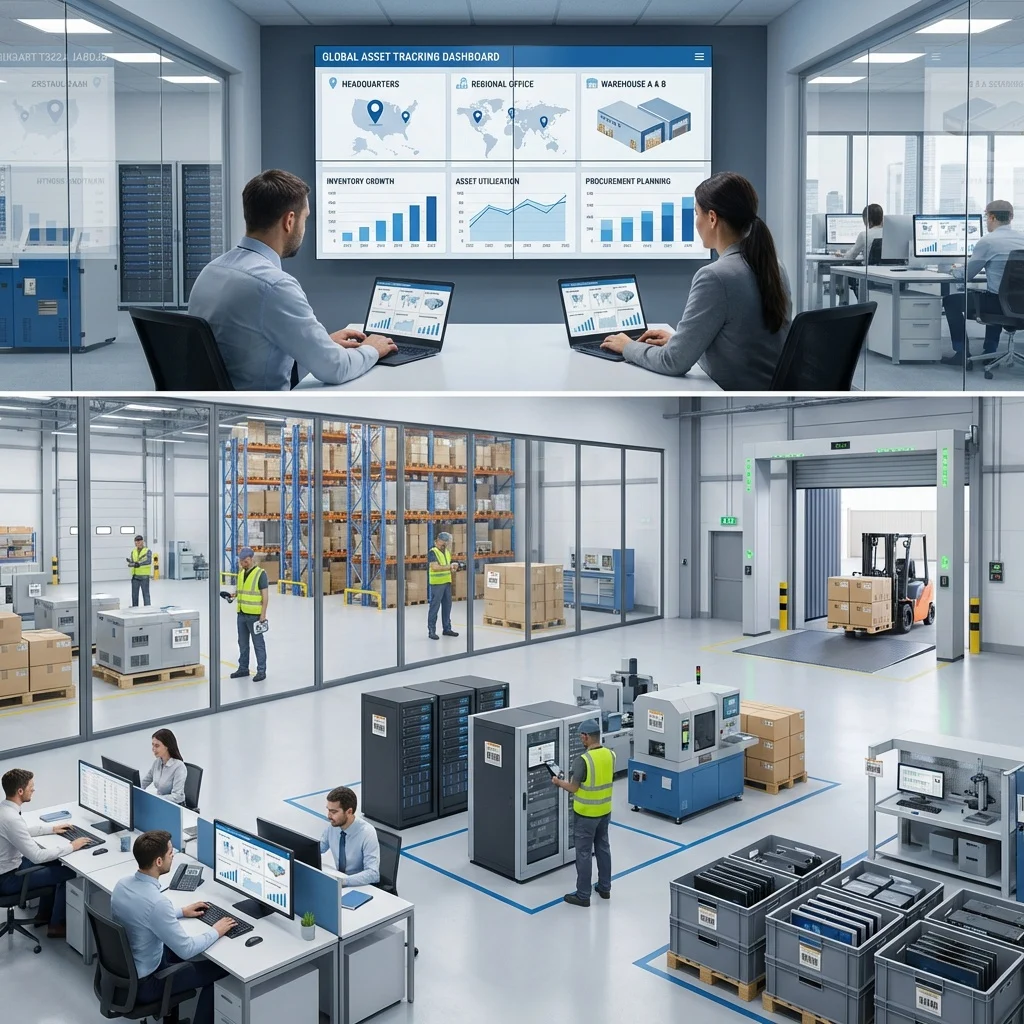
How does the RFID Asset Tracking System support long-term growth?
The system grows with the organization and handles increased asset volumes without affecting performance.
Growth Support
Consistent tracking across locations
It adapts to multi-branch operations and maintains uniform tracking standards everywhere.
Strong performance for large inventories
RFID Readers support scanning in busy, high-volume environments. This helps organizations manage expanding inventories without additional strain.
Standardized data for future planning
Asset data remains consistent, helping leadership plan for procurement, maintenance, and replacements.
Easy addition of new asset categories
The system can include new asset types as operations evolve, supporting long-term flexibility.
FAQs
1. What does an RFID Asset Tracking System help organizations achieve?
An RFID Asset Tracking System helps organizations maintain visibility, monitor movement, and manage asset lifecycles with reliable data. RFID Readers and RFID Tags support quick identification, which helps teams complete audits on time and maintain accurate records across departments.
2. How are RFID Readers used in an RFID Asset Tracking System?
RFID Readers capture data from RFID Tags and update asset details immediately. These readers help teams conduct daily checks, track movement across entry points, and complete high-volume scans with precision. The process reduces manual work and improves accuracy.
3. What does an RFID-based asset tracking system facilitate in organizations?
An RFID-based asset tracking system enables organizations to monitor and manage assets in real time, improving inventory accuracy, operational efficiency, and security. It provides instant visibility into asset location, status, and movement across facilities.
4. What is the role of RFID Readers in an RFID Asset Tracking System?
RFID Readers receive data from RFID Tags and update asset details instantaneously. They aid in successfully running day-to-day check routines, tracking movements over different entry points, and executing bulk scanning procedures with precision.
5. Are RFID Tags appropriate for long-term tracking across different assets?
RFID tags support long-term tracking since they are designed to endure daily usage and environmental exposure. These tags remain functional on IT equipment, tools, machines, and furniture, which helps the RFID Asset Tracking System maintain dependable records.
6. Does the RFID Asset Tracking System have the capability to support different branches or facilities?
The RFID Asset Tracking System provides persistent tracking between multiple sites. Immediate updates of asset logs through RFID Readers at each location enable the central teams to maintain their visibility to plan activities with clarity across all facilities.
7. How does an RFID Asset Tracking System help reduce search time during daily operations?
An RFID Asset Tracking System reduces search time by allowing teams to identify RFID Tags quickly using RFID Readers. This removes the need for manual checking or physical walkthroughs. As a result, teams can locate assets in a shorter time with more consistent accuracy.
8. Can Aastro Tech tailor visitor services based on industry requirements?
Aastro Tech adapts each workflow to industry-specific compliance, security, and operational needs. Whether it’s corporate offices, tech parks, manufacturing facilities, or multi-location environments, the service is configured to match internal policies and visitor types unique to each organization.
