

IT Asset Tracking System
That Moves as Fast as Your Workplace
Track IT and non-IT assets across teams, locations, repairs, and returns with RFID-powered visibility.
IT Asset Tracking System provides real-time visibility into the location, status, and ownership of IT assets across the workplace. By combining intelligent tracking technology with centralized management, organizations can reduce asset loss, prevent unauthorized movement, simplify audits, and improve overall asset utilization and accountability.
Key Technologies
Barcodes and QR Codes: Cost-effective for basic inventory and manual scan-based tracking.
RFID: Useful for scanning multiple assets quickly without direct line-of-sight.
BLE: Ideal for real-time indoor asset tracking.
GPS and IoT: Best for tracking vehicles, equipment, and assets across different locations.
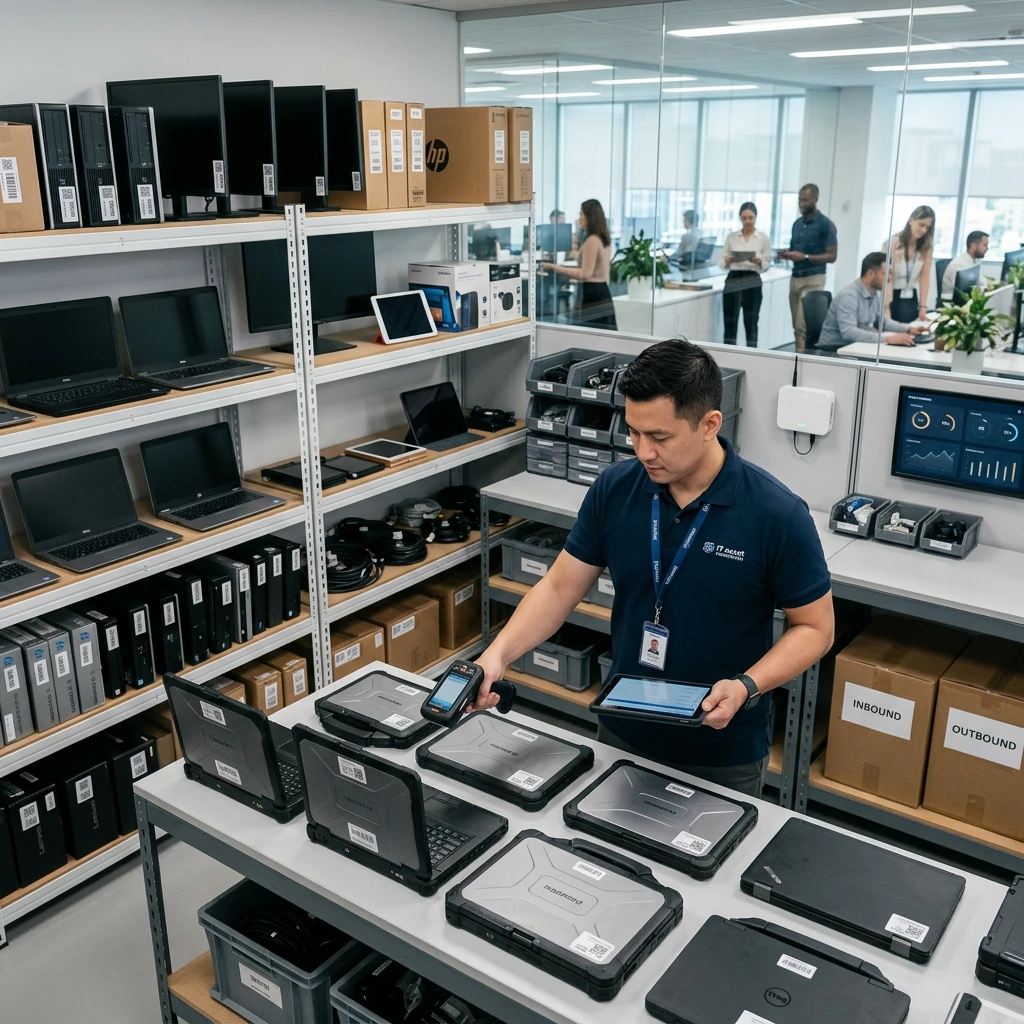
What is an IT Asset Tracking System?
An IT Asset Tracking System is a solution that helps organizations track, manage, and monitor assets such as laptops, desktops, devices, equipment, and shared resources. It shows where each asset is, who is using it, whether it is active or under repair, and how it moves across teams or locations.
Why Does an IT Asset Tracking System Need More Than a Spreadsheet?
Most asset tracking problems start quietly. A laptop is issued but not updated in the sheet. A device goes for repair without a clear return record. A monitor is moved to another floor. An employee exits, and the recovery checklist depends on memory.
Over time, the asset list stops reflecting reality.
For growing organizations, this creates three major problems:
1. Visibility gaps across locations and departments
2. Accountability gaps when ownership is unclear
3. Audit gaps when records do not match physical assets
An IT Asset Tracking System helps close these gaps by creating a live, structured record of every asset and its movement.
The Business Risk of Poor Asset Visibility
Poor asset visibility affects more than just IT operations. Finance teams may approve unnecessary purchases without knowing what assets already exist. Facilities teams struggle to verify equipment across locations, while IT teams spend valuable time reconciling inaccurate records. Security teams may overlook unmanaged or unauthorised devices.

What AastroTech’s IT Asset Tracking System Does?
It helps teams manage the complete asset lifecycle, from tagging and onboarding to movement, repair, return, audit, and retirement.
Core Areas Covered
2. Asset movement: The system tracks assets when they are issued, reassigned, transferred, repaired, returned, or moved outside controlled areas.
3. Asset verification: RFID tags for asset tracking help teams verify multiple assets faster without scanning every item one by one.
4. Asset accountability: Clear ownership records and movement history make it easier to know who is responsible for each asset at any given time.
How RFID Makes the Process Faster?
Instead of scanning every barcode one by one, teams can use handheld RFID readers to capture multiple tagged assets in a single sweep. Fixed RFID readers can also be placed at exits, storage zones, or checkpoints to monitor asset movement.
This helps organizations move from occasional cleanup to continuous visibility.
Where Does It Works Best?
AastroTech’s IT Asset Tracking System is useful for workplaces where assets move often, and manual records are difficult to maintain.
It supports:
1. Laptop, desktop, monitor, printer, and peripheral tracking
2. Employee onboarding and exit asset reconciliation
3. Repair, AMC, and vendor movement tracking
4. Multi-floor and multi-branch inventory control
5. Storage room and equipment room verification
6. Shared device issue and return workflows
7. Annual, quarterly, and surprise physical audits
Implementation Approach
AastroTech follows a structured rollout so the system is practical from day one.
1. Asset and Site Review: The team studies your asset types, current tracking process, site structure, audit challenges, and movement patterns.
2. RFID Tag Planning: Tags are selected based on asset material, surface type, use case, and tracking environment.
3. Asset Encoding and Dashboard Setup: Each asset is tagged, encoded, and linked to a digital record in the dashboard.
4. Reader and Checkpoint Planning: Handheld and fixed reader requirements are planned around audit zones, storage areas, exits, and movement paths.
5. Workflow Configuration: The system is configured for ownership tracking, gate-pass workflows, repair movement, audit trails, maintenance status, and alerts.
6. Training and Go-Live: Teams are trained on the dashboard, readers, and workflows before the system goes live.
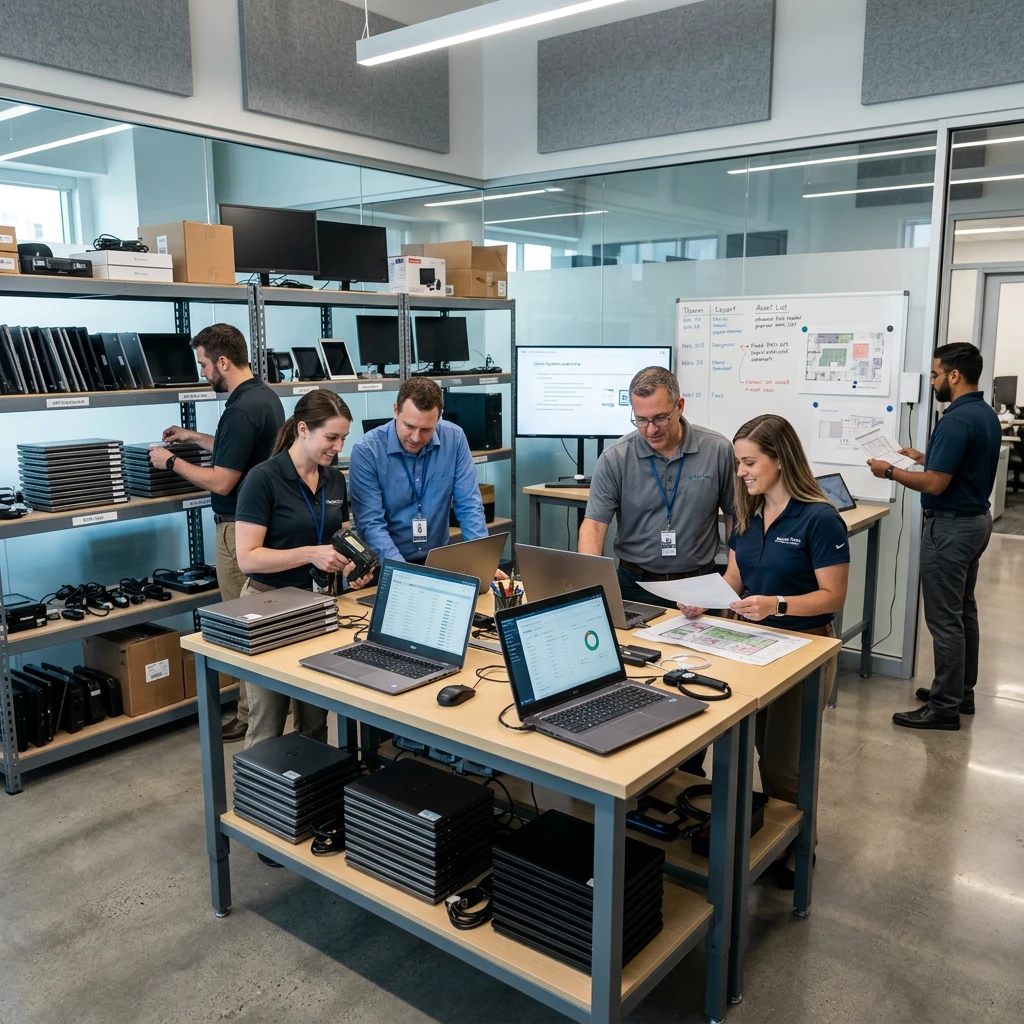

What are the Deployment Options of IT Asset Tracking System?
1. Cloud Deployment: Best suited for organizations that want faster rollout, centralized access, and easier multi-location management.
2. On-Prem Deployment: Best suited for organizations with stricter internal policies, local infrastructure requirements, or specific governance needs.
What to Check Before Choosing a System
Before choosing an IT Asset Tracking System, evaluate whether it can support your real workplace conditions.
1. Live asset records, not static lists
2. RFID support for faster audits
3. Ownership and movement history
4. Repair and gate-pass workflows
5. Cloud or on-prem deployment options
6. Scalable tracking across multiple sites
Why Choose AastroTech?
1. RFID Hardware and Software Together: AastroTech delivers the tracking hardware and software platform together for a smoother setup.
2. Support for IT Assets: Track laptops, desktops, peripherals, shared equipment, tools, and other workplace assets.
3. Faster Audits with Less Manual Work: RFID-based scanning helps teams verify multiple assets quickly without one-by-one checks.
4. Better Control Over Repairs and Returns: Gate-pass workflows help track assets sent for repair, AMC service, vendor return, or external movement.
5. Clearer Accountability Across Departments: Ownership, location, movement history, and status changes are recorded for better responsibility tracking.
6. Flexible Deployment Based on Your Policy: Choose cloud or on-prem deployment based on your security and infrastructure requirements.
Make Asset Tracking Easier to Trust
FAQs
1. How does the IT Asset Tracking System rollout begin?
The rollout starts with a discovery call where AastroTech reviews your asset types, site structure, current tracking process, movement patterns, and audit requirements. Based on this, the team recommends suitable RFID tags, readers, checkpoints, and workflows.
2. How are assets added to the IT Asset Tracking System?
Each asset is tagged, encoded, and linked to a dashboard record. The record can include asset type, brand, serial number, cost, warranty, AMC details, ownership, location, status, and movement history.
3. Can the IT Asset Tracking System track repair or AMC items?
Yes. Gate-pass workflows help record assets sent for repair, AMC service, vendor return, or external movement. This makes it easier to track what left the premises, why it moved, and when it should return.
4. Is RFID suitable for large audits?
Yes. RFID is especially useful for large and recurring audits because teams can scan multiple tagged assets quickly without checking every item individually. This reduces manual effort and improves audit efficiency.
5. Can the IT Asset Tracking System support cloud hosting?
Yes. Aastro Tech can support cloud deployment based on your organization’s security, compliance, and infrastructure preferences. This is suitable for teams that need centralized access and easier multi-location management.
6. Can we keep the solution on-prem?
Yes. AastroTech can support on-prem deployment for organizations that prefer local infrastructure, stricter internal control, or specific data governance policies. The deployment model can be aligned with your internal IT requirements.
7. Can the IT Asset Tracking System track non-IT assets too?
Yes. The system can track IT and non-IT assets depending on tag suitability, asset type, material, and workflow requirements. This can include shared equipment, tools, devices, peripherals, and other workplace assets.
8. How does the system improve accountability?
The system records ownership, location, movement history, status changes, and audit trails. This helps teams know where each asset is, who is responsible for it, and how it has moved over time.
9. What support does AastroTech provide after implementation?
AastroTech supports teams beyond setup with training, workflow guidance, system assistance, and post-launch support. This helps users adopt the IT Asset Tracking System properly and keep asset tracking processes consistent.
10. Why should businesses choose AastroTech for an IT Asset Tracking System?
AastroTech brings RFID hardware, software, deployment planning, and implementation support together. This helps businesses avoid fragmented vendor coordination and build a more practical, reliable asset tracking workflow.
