
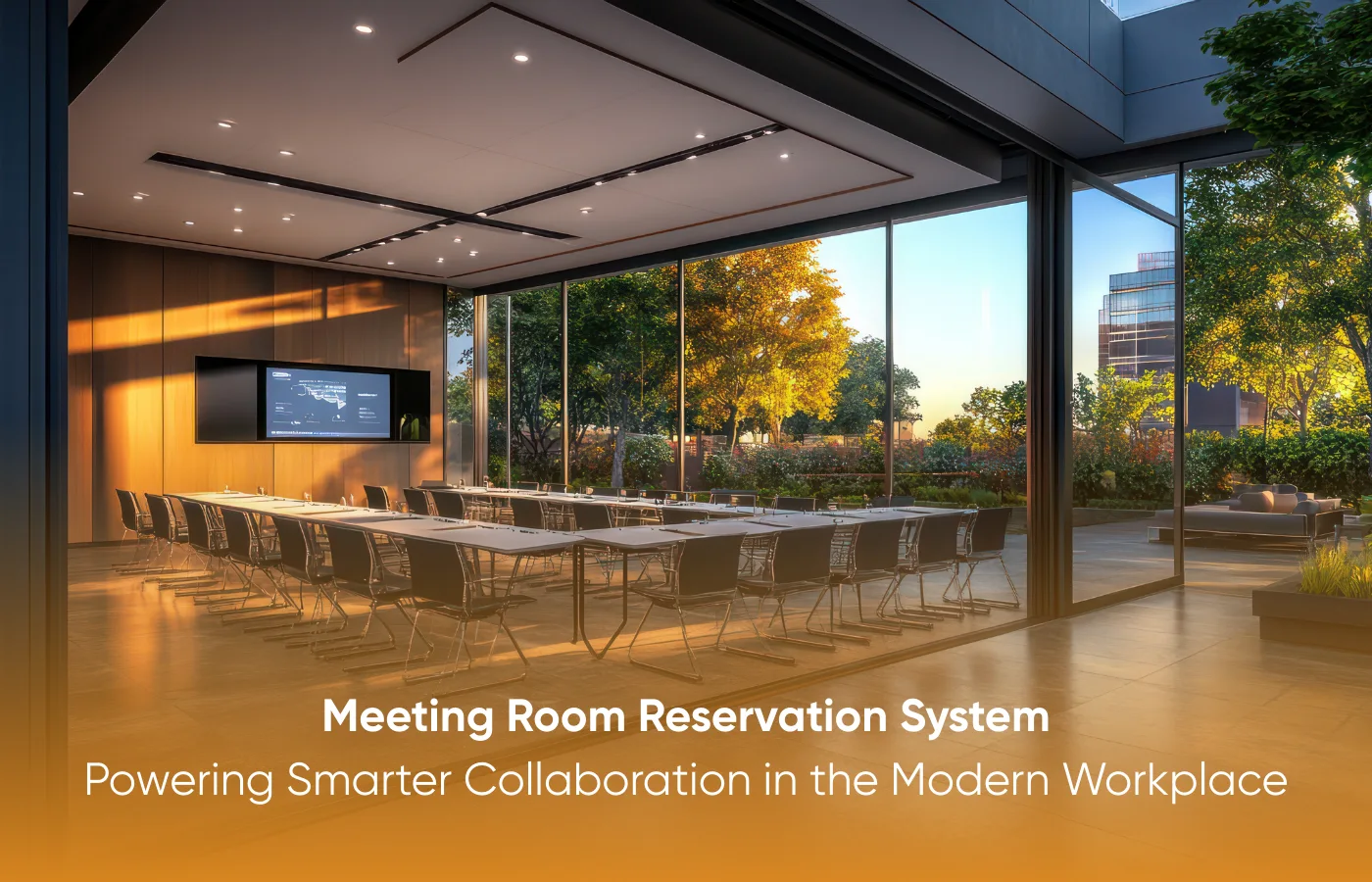
Meeting Room Reservation System: Powering Smarter Collaboration in the Modern Workplace
Walk into any office today, and you’ll see teams constantly in motion, brainstorming, presenting, and collaborating. Yet, one of the most common sources of workplace friction remains surprisingly simple: booking a meeting room. Double bookings, unused spaces, and last-minute cancellations often create chaos that slows productivity.
The shift to hybrid work has made this challenge even more complex. Teams move between remote and in-office settings, increasing demand for well-equipped, flexible spaces. A meeting room reservation system bridges this gap by bringing structure, transparency, and automation to how teams plan and manage meetings.
Why Efficient Meeting Room Management Matters
With hybrid work models becoming the norm, employees need accessible and well-coordinated meeting options. A meeting room reservation system ensures teams can book, use, and manage spaces effortlessly, reducing operational friction and enhancing the overall workplace experience.
Common Challenges in Meeting Room Management
Even with modern offices, organizations face recurring issues that hinder efficiency:
1. Scheduling Conflicts
Multiple teams often try to book the same room simultaneously, leading to confusion and wasted time. This occurs when bookings rely on manual coordination or outdated systems.
2. Underutilization and Overbooking
Some rooms stay empty for most of the day, while others are booked back-to-back. Without usage analytics, businesses can’t balance demand effectively.
3. Outdated Technology
Poor video quality, incompatible devices, or weak connectivity can derail meetings, especially for hybrid participants.
4. Last-Minute Changes
Cancellations or rescheduling leave rooms unused and disrupt workflow. Without automated reallocation, valuable time and resources go to waste.
5. Mismanaged Shared Resources
Projectors, screens, and whiteboards are essential for productive meetings. When they aren’t tracked or maintained correctly, sessions start late or fail.
These challenges highlight the need for an intelligent, data-driven meeting room reservation system that eliminates manual errors and simplifies space coordination.
How a Meeting Room Reservation System Solves These Challenges
Technology-scheduling revolutionizes how meetings are planned by teams. This is how a sophisticated meeting room booking system drives quantifiable change throughout day-to-day operations:
1. Simplified Scheduling and Automation
Real-time updates on bookings avoid overlap and confusion. Integration with organizational calendars helps keep every department in sync. Automated reminders inform users of impending meetings, reducing no-shows and improving overall meeting efficiency.
2. Maximized Room Usage
A meeting room scheduling system monitors usage frequency, spots peak periods of demand, and produces insights to inform strategic planning.
3. Seamless Technology Integration
Up-to-date conferencing tools and multi-device compatibility make collaboration effortless. Integrating these into the booking process ensures that every room is ready for both in-person and remote teams.
4. Flexibility for Changes and Cancellations
Modern systems allow quick rescheduling or cancellations directly through digital platforms. Built-in buffer times between meetings reduce overlap and provide flexibility for delays, improving operational flow.
5. Centralized Management of Shared Resources
From displays to audio systems, all shared equipment can be managed within the meeting room reservation system. Maintenance reminders, usage logs, and easy status tracking help minimize downtime and ensure smooth operations.
These features bring predictability to the workplace, employees know when and where they can meet, facilities teams gain visibility, and leadership benefits from better resource planning.
Data-Driven Decision-Making and Workplace Efficiency
The strength of a meeting room reservation system lies in its ability to turn everyday bookings into valuable insights. Usage patterns reveal how spaces are performing, which areas need upgrades, and how meeting frequency aligns with productivity.
For instance, if data shows that smaller rooms are consistently booked while larger ones sit empty, organizations can reconfigure spaces to match real demand. This kind of evidence-based optimization helps reduce costs and improve return on real estate investments.
Such transparency also improves employee satisfaction. When people can easily access the right space with the right tools, collaboration becomes smoother, and frustration decreases.

How Aastro Streamlines Smart Meeting Experiences
By integrating advanced sensors, analytics dashboards, and automation features, Aastro enables real-time visibility across every meeting space. Facility teams can track occupancy, monitor utilization trends, and adjust configurations based on live data.
The system connects directly with popular collaboration platforms, ensuring seamless scheduling and device compatibility. Automated workflows manage cancellations, re-bookings, and maintenance notifications, allowing every room to stay ready and efficient.
Aastro’s approach centers on delivering a unified platform where technology, design, and usability converge. Our meeting room reservation system supports hybrid and enterprise workplaces, enhancing both user experience and operational efficiency.
The Future of Smart Collaboration
The modern workplace is evolving beyond static desks and scheduled meetings. As teams demand flexibility, the meeting room itself is transforming into a dynamic, data-driven environment.
Adopting a meeting room reservation system is more than a technology upgrade; it’s a shift toward intelligent resource management. It reduces administrative effort, ensures equitable space distribution, and enhances overall productivity.
In a world where every minute counts, efficient coordination builds momentum. Smart scheduling supports faster decision-making, fewer interruptions, and better use of physical infrastructure.
At AastroTech, we help organizations turn meeting spaces into enablers of performance, creativity, and connection. With the right meeting room reservation system, every conversation begins on time and every idea has room to grow.
FAQs:
1. What is a meeting room reservation system?
It’s a digital tool that helps teams book, manage, and track meeting spaces efficiently, reducing scheduling conflicts and unused rooms.
2. Why is a meeting room reservation system important?
It streamlines bookings, supports hybrid work, and ensures rooms and resources are always available when needed.
3. What features should it include?
Key features include real-time availability, calendar integration, automated reminders, and usage analytics.
4. How does it improve productivity?
It saves time, prevents double bookings, and ensures meetings start on schedule with the right setup.
5. How does Aastro help?
Aastro provides a smart meeting room reservation system that automates scheduling, tracks utilization, and simplifies collaboration across modern workplaces.
6. Is it suitable for hybrid workplaces?
Absolutely. It supports flexible scheduling and ensures both remote and in-office teams can collaborate effectively.
