

Indoor Air Quality Solutions: Breathing New Life into Modern Workspaces
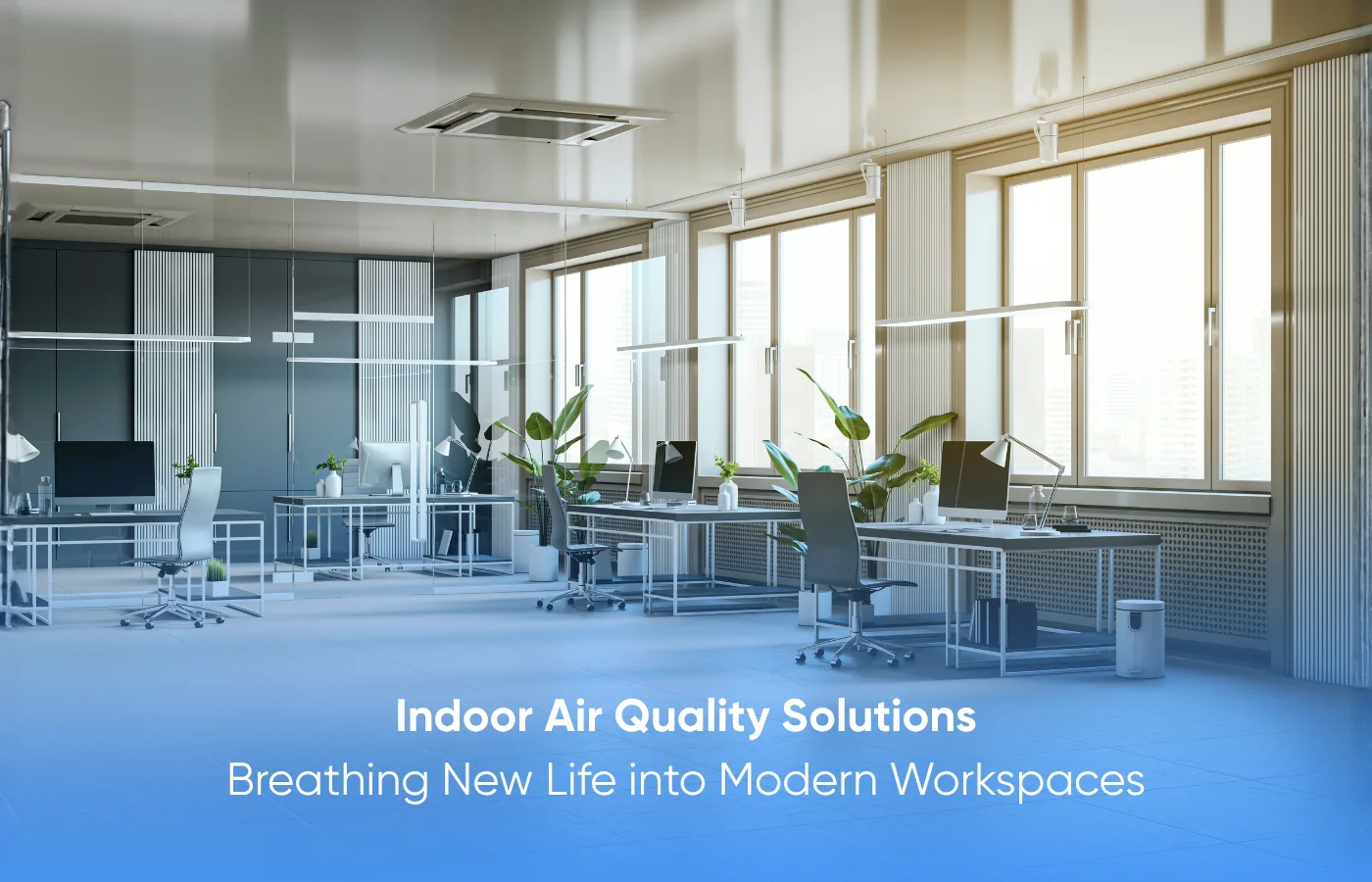
Step into any modern office, and you’ll see sleek designs, ergonomic furniture, and smart systems humming quietly in the background. But beneath that polished surface lies a factor far more vital than aesthetics, the air itself. Every breath inside these buildings carries invisible particles, gases, and allergens that silently affect how we think, feel, and perform.
For years, indoor air was taken for granted clean, by assumption. Yet research reveals a different truth: indoor air can often be up to five times more polluted than the air outside. In spaces where people spend nearly 90% of their time, this becomes more than a comfort issue; it’s a health and productivity concern. This growing awareness is fueling the adoption of indoor air quality solutions designed to make workplaces healthier, smarter, and more sustainable.
Why Indoor Air Quality Demands Business Attention
In a typical workspace, contaminants like carbon dioxide, particulate matter, and volatile organic compounds (VOCs) accumulate over time. Limited ventilation, dense insulation, and synthetic materials trap these pollutants, degrading air quality. The outcome is a less alert, less engaged workforce and an invisible drain on performance.
Understanding the Hidden Sources of Indoor Pollution
A single source rarely causes indoor pollution. It’s the result of multiple small factors combining over time. Common contributors include:
1. Carpets and upholstery: They trap dust and allergens, slowly releasing them back into the air.
2. Cleaning chemicals and air fresheners: Emit VOCs that contribute to respiratory irritation.
3. Inadequate ventilation: Causes CO₂ buildup and stagnant air.
4. New furniture and paints: Release formaldehyde and other compounds during off-gassing.
5. Parking and cooking areas: Introduce carbon monoxide and nitrogen dioxide indoors.
Even in spaces that appear spotless, these factors continue to affect air composition. That’s why proactive indoor air quality solutions are essential for maintaining a safe, balanced environment.

The Business Cost of Ignoring Air Quality
Poor indoor air quality doesn’t just make people uncomfortable it impacts an organization’s bottom line. A growing body of research connects air quality with employee output, decision-making, and retention.
High levels of particulate matter in the air can lead to respiratory issues and contribute to higher absenteeism in workplaces. Poor ventilation often results in elevated carbon dioxide levels, which can cause fatigue and reduce focus. Over time, these factors affect how people feel, think, and perform at work.
Simply put, polluted indoor air can undermine every aspect of business performance. On the other hand, workplaces that invest in indoor air quality solutions report higher focus levels, fewer sick days, and greater employee satisfaction.
Indoor Air Quality Solutions that Transform Workspaces
Smart buildings today rely on data and automation to maintain comfort and safety and air quality management is no exception. Effective indoor air quality solutions combine monitoring, filtration, and control technologies that continuously assess and improve air conditions.
1. Real-Time Air Quality Monitoring
IoT-based sensors now allow facility managers to track pollutants like PM2.5, PM10, VOCs, CO₂, temperature, and humidity with precision. These insights make it easier to detect issues before they escalate and to maintain compliance with global IAQ standards.
2. Automated Ventilation and Filtration
3. Smart Material and Design Choices
Sustainable office design plays a vital role in air quality. Using low-emission paints, non-toxic adhesives, and easy-to-clean materials prevents the buildup of harmful compounds. Avoiding heavy drapery and carpeting further reduces dust accumulation, supporting a cleaner environment.
Why Transparent Air Data Builds Trust
Workplace health isn’t just about systems; it’s about confidence. When employees know their organization actively monitors and manages air quality, it builds trust and assurance. Displaying live air quality dashboards within office spaces communicates transparency and reinforces an employer’s commitment to well-being.
This visibility helps organizations demonstrate ESG accountability and makes air quality an integral part of their wellness narrative. The psychological benefit is clear: employees feel safer, more valued, and more focused in an environment that breathes well.
Aastro: Delivering Smart Indoor Air Quality Solutions
By integrating advanced sensors, automated ventilation controls, and real-time analytics, Aastro ensures every workspace maintains optimal air standards. Facility managers can view actionable insights through intelligent dashboards, receive alerts for parameter deviations, and take corrective action instantly.
Aastro’s systems go beyond detection they create smarter, self-regulating environments where clean air supports performance and sustainability. Our indoor air quality solutions align with global health and building standards, helping organizations achieve measurable improvements in comfort, compliance, and energy efficiency.
How Cleaner Air Shapes Smarter Workplaces
Clean indoor air is more than a facility metric; it’s a performance driver. Workplaces with optimized air quality experience sharper cognitive function, reduced fatigue, and higher collaboration rates. Research consistently shows that even a modest improvement in IAQ can result in measurable gains in focus and decision-making speed.
Moreover, indoor air quality solutions contribute to long-term sustainability by reducing energy waste. Systems that adjust airflow and lighting based on occupancy and natural conditions use less energy while maintaining comfort. This convergence of health and efficiency creates a future-ready workplace model, one that benefits people and the planet alike.

A Healthier Future Begins Indoors
As organizations reimagine their workplaces for flexibility and wellness, air quality has become a defining factor in employee experience. It’s no longer an afterthought; it’s a core element of facility design and management.
Investing in indoor air quality solutions today means investing in the health, clarity, and productivity of tomorrow’s workforce. Clean air fosters focus, drives retention, and supports an organization’s broader sustainability vision.
At AastroTech, we’re helping enterprises build smarter environments where every breath supports well-being. Because progress doesn’t happen in isolation, it happens in spaces designed to help people thrive.
Discover how AastroTech’s transforms workplaces into smart ecosystems that grow with your team.
FAQs:
1. What is indoor air quality (IAQ)?
Indoor air quality refers to how clean and safe the air is inside a building. Factors like ventilation, humidity, and the presence of pollutants such as dust, carbon dioxide, and chemicals influence it.
2. Why is indoor air quality important in workplaces?
Clean air helps employees stay healthy, alert, and focused. Poor air quality can cause fatigue, headaches, and allergies, directly impacting productivity and overall well-being.
3. What causes poor indoor air quality?
Common causes include lack of ventilation, dust buildup, emissions from furniture and paints, and chemicals from cleaning products or air fresheners.
4. How does poor air quality affect employee performance?
Polluted indoor air can lower concentration, increase stress, and lead to more sick days. Over time, it reduces efficiency and impacts an organization’s overall performance.
5. How do indoor air quality solutions work?
These systems use smart sensors and filters to monitor and purify the air automatically. They detect pollutants, adjust airflow, and ensure a constant supply of fresh, clean air.
6. What are VOCs and why are they harmful?
VOCs (Volatile Organic Compounds) are gases released from paints, furniture, and cleaning products. In high amounts, they can cause irritation, breathing issues, and long-term health problems.
